
Are Casino Slot Machines Rigged? The Truth
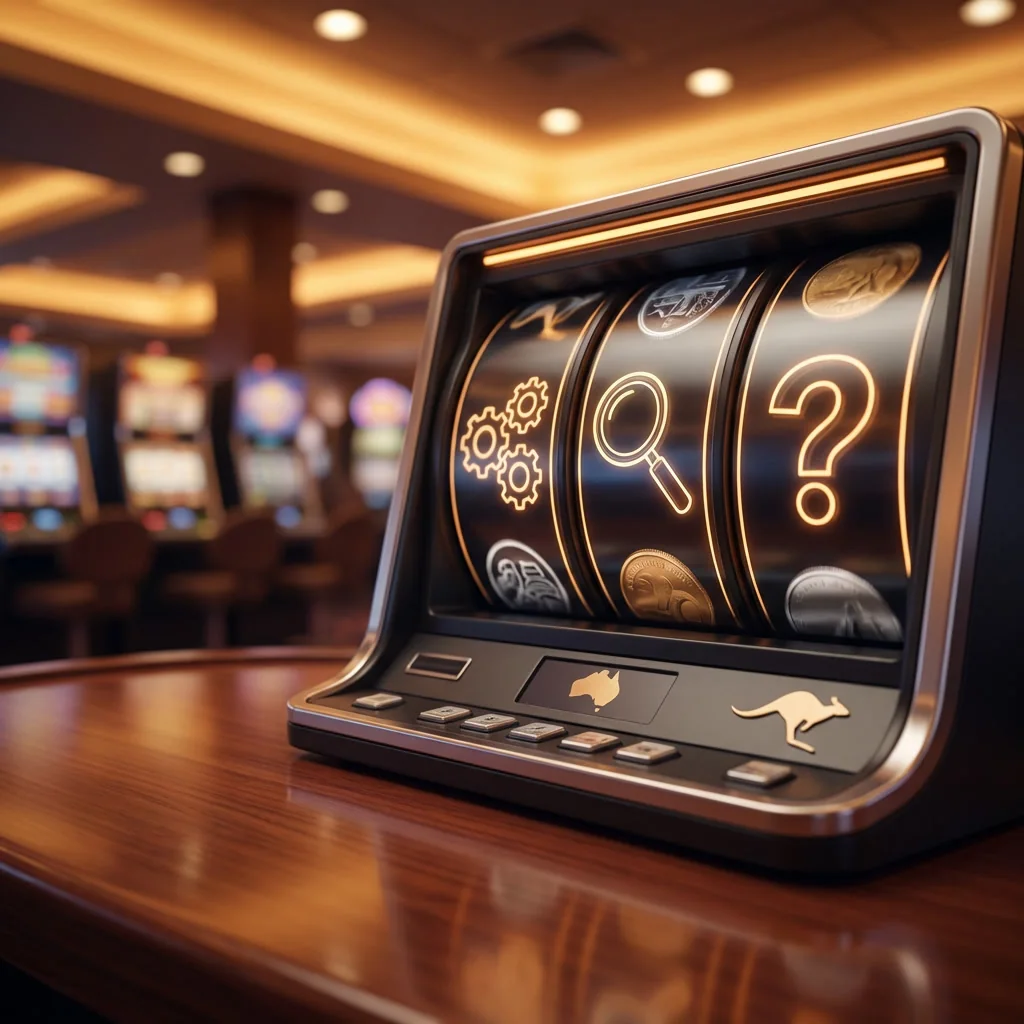
If you've ever walked away from a pokie session feeling like the machine was working against you, you're not alone. It's one of the most common questions players ask: are casino slot machines rigged? The short answer is no — not in any licensed, regulated casino. But the longer answer is worth understanding, because the way slot machines actually work is more nuanced than most people realise, and knowing the mechanics can genuinely change how you approach your sessions.
As someone who has spent a fair amount of time reviewing online slots for Australian players, I've seen this question come up constantly. Players lose a few spins in a row and immediately suspect foul play. The reality is that modern slot machines — both land-based pokies and online slots — operate on technology that makes manipulation extremely difficult and, in regulated environments, essentially impossible. This article breaks down how that technology works, what the law says about it in Australia, and what you should actually watch out for as a player.
How Slot Machines Actually Work: The Role of RNG
The foundation of every slot machine — whether it's a classic three-reel pokie at your local club or a feature-packed online title like Book of Dead or Gates of Olympus — is a piece of software called a Random Number Generator (RNG). The RNG runs continuously, generating thousands of numbers every second. The moment you press the spin button, the system captures the most recent number produced and maps it to a specific combination of symbols on the reels. That outcome is determined in a fraction of a second, before the reels even begin to spin visually.
Modern slots use what are called Pseudo-Random Number Generators (PRNGs). These rely on complex mathematical algorithms to produce sequences of numbers that are statistically indistinguishable from true randomness. While the algorithm itself follows a deterministic process, the seed values it uses — often derived from system clock data measured in milliseconds — make the output impossible to predict in practice. This is why every spin is genuinely independent. A losing streak does not make a win more likely on the next spin, and a recent jackpot does not mean the machine is now "cold." Each spin starts fresh.
This independence is the key point that trips up many players. Games like Sugar Rush, Big Bass Bonanza, Wolf Treasure, and The Dog House Megaways all run on certified RNG systems. The outcomes are not influenced by how long you've been playing, how much you've deposited, or what time of day it is. The math is the math, and it runs the same way for every player on every spin.
Can Casinos Control or Change the Odds on Slot Machines?
This is where things get a bit more layered. The question of whether can casinos control slot machines has a nuanced answer. In a strict sense, no — a licensed casino operator cannot reach into a running game and alter the outcome of your current spin. The RNG operates independently of casino staff, and the software is sealed and certified before it goes live. However, there is a legitimate question about whether can casinos change the odds on slot machines over time, and the answer there is: yes, but within a regulated framework and not in real time.
Slot machines are programmed with a Return to Player (RTP) percentage — a figure that represents how much of all wagered money the game is expected to pay back to players over millions of spins. A game with a 96% RTP will, over a long enough period, return $96 for every $100 wagered. Operators can sometimes select from a range of RTP settings provided by the game developer, but this is done before the machine goes live and must be disclosed and approved by regulators. It is not something that can be flipped on and off mid-session.
Similarly, do casinos change the odds on slot machines between sessions? In regulated markets, any change to a machine's configuration requires regulatory approval and proper documentation. In Australia, state-level gaming commissions — such as the Victorian Gambling and Casino Control Commission (VGCCC) and Liquor and Gaming NSW — enforce strict standards around machine configuration, testing, and certification. Operators cannot simply adjust payout rates whenever they feel like it.
Games like Gates of Olympus 1000, Sugar Rush 1000, Book of Ra Magic, and Sun of Egypt 3 are developed by major software providers and certified by independent testing laboratories before they reach any casino floor or online platform. Those certifications are not a formality — they involve rigorous mathematical audits of the RNG, RTP, and game logic.
Do Casinos Cheat or Manipulate Slot Machines?
Let's address this directly. Do casinos cheat on slot machines? In a properly licensed and regulated environment, the answer is no. The regulatory framework makes it both legally and technically extremely difficult. Independent testing agencies such as eCOGRA, iTech Labs, and Gaming Labs International (GLI) audit the software of slot games before they are approved for use. These audits verify that the RNG produces genuinely random outcomes and that the stated RTP is accurate. Casinos that are caught manipulating games risk losing their licences entirely — a consequence that no serious operator is willing to risk.
That said, the question of whether do casinos manipulate slot machines is worth examining from a different angle. While outright cheating is rare in licensed venues, there are legitimate design elements that can feel manipulative even when they are not. Features like near misses — where two jackpot symbols land on the payline and a third stops just above or below — are a programmed part of many slot games. Research has shown that near misses can encourage continued play by creating the illusion that a win is imminent, even though each spin remains statistically independent. This is not cheating, but it is a deliberate psychological design choice.
Crash-style games like Aviator, Spaceman, and Chicken Road — as well as instant-win formats like Mines and Plinko — operate on similar RNG principles. These games use provably fair technology in many cases, where the outcome is cryptographically verifiable by the player after each round. This is actually a higher standard of transparency than traditional slot machines offer.
Newer titles like Chicken Road 2, 15 Dragon Pearls, 5 Lions Megaways, and Gates of Olympus are all built and certified by reputable developers. If you're playing them on a licensed platform, the game logic has been independently verified. The house edge is built into the math — that's how casinos make money — but that is not the same as rigging or manipulation.
What Australian Players Should Know
Australia has one of the most active gambling cultures in the world. Australians are among the highest per-capita gambling spenders globally, and pokies remain a central part of that landscape. Understanding the regulatory environment is important for any player who wants to make informed decisions.
At the federal level, online casino gaming is regulated by the Interactive Gambling Act 2001 (Cth), which prohibits Australian-based operators from offering casino-style games to local players. However, Australians can legally access offshore-licensed online casinos. This creates a situation where the consumer protections available depend heavily on which jurisdiction the casino is licensed in. Reputable offshore operators hold licences from bodies such as the Malta Gaming Authority (MGA), the UK Gambling Commission (UKGC), or the Curaçao Gaming Control Board, and are subject to regular audits.
Here are some practical things to look for when assessing whether an online casino is trustworthy:
- A valid gaming licence from a recognised jurisdiction, clearly displayed on the casino's website
- Certification badges from independent testing labs such as eCOGRA, iTech Labs, or GLI
- Published RTP figures for individual games, either in the game's info panel or on the casino's website
- A transparent responsible gambling policy, including access to self-exclusion tools
- Positive player reviews and a track record of paying out winnings without excessive delays
- Clear terms and conditions around bonuses, wagering requirements, and withdrawal limits
If a casino cannot demonstrate most of the above, that is a genuine red flag — not because the games are necessarily rigged, but because the lack of transparency makes it impossible to verify that they are not.
Tips for Playing Smarter and Staying in Control
Understanding that slot machines are not rigged does not mean there is no skill involved in how you approach them. While you cannot influence the outcome of any individual spin, you can make choices that affect your overall experience and longevity at the tables. Here are some practical tips for Australian players:
- Check the RTP before you play. A game with a 97% RTP will, over time, return more than one with a 92% RTP. This matters over long sessions. Many games display this information in their paytable or info screen.
- Understand volatility. High-volatility games pay out less frequently but in larger amounts. Low-volatility games pay more often but in smaller amounts. Choose based on your bankroll and playing style.
- Set a session budget and stick to it. Decide before you start how much you are comfortable losing, and treat that as the cost of entertainment rather than an investment.
- Take advantage of demo modes. Most online slots can be played for free in demo mode. Use this to understand a game's mechanics before wagering real money.
- Avoid chasing losses. This is the most common mistake players make. A losing streak does not mean a win is coming — each spin is independent.
- Use responsible gambling tools. Licensed platforms offer deposit limits, session time reminders, and self-exclusion options. These tools exist for a reason — use them if you feel your play is getting out of hand.
Australia's national self-exclusion register, BetStop, allows players to exclude themselves from all licensed Australian wagering services simultaneously. If gambling is causing stress or financial difficulty, reaching out to the National Gambling Helpline on 1800 858 858 is a straightforward first step. Gambling should be a form of entertainment, not a source of financial pressure.
The bottom line is this: the question of whether do casinos manipulate slot machines has a clear answer in regulated environments — they do not, at least not in the way most players fear. The house edge is real, the math is designed to favour the casino over time, and that is a feature of the game, not a conspiracy. But the outcomes themselves are genuinely random, independently verified, and not subject to real-time manipulation by casino staff. Play on licensed platforms, understand the games you're playing, and approach every session with a clear head and a set budget.